

Why Phantom (and other Solana browser wallets) finally feel like the missing piece of web3
Whoa!
I stumbled into Solana wallets the same way many people do — curious, impatient, and a little skeptical. Seriously? Yeah. At first glance a browser extension that holds keys and signs transactions sounded fragile, almost too neat. Initially I thought a mobile-first wallet would always win, but then realized that for desktop dApps, an extension like Phantom removes a bunch of friction people didn’t even know they had.
Here’s the thing. The experience matters as much as the tech, and Phantom nails a lot of the UX details that used to make me sigh. My instinct said the onboarding would be clunky, but it wasn’t — mostly. There are still little rough corners that bug me, and I’ll point them out below, somethin’ like a grocery list of what to watch for…
Wow!
Setting up a Solana wallet extension usually takes less than five minutes. You click install, create a password, and secure a seed phrase — repeat after me: write it down and never screenshot it. The extension then acts like a bridge between your browser and the world of Solana dApps, signing transactions when you approve them, and keeping your private keys stored locally in the browser profile.
On one hand that’s convenient. On the other hand, though actually, if your device gets compromised or someone gains access to your profile, you can lose funds fast, so treat the extension as seriously as a hardware wallet for large holdings.
Hmm…
Why do people prefer a browser wallet over a mobile one sometimes? Two reasons: speed and multitasking. Many NFT minting sites and trading UIs are desktop-first and expect you to have a wallet extension ready to pop up and sign transactions without swapping devices. Also, for power users who keep multiple tabs, having a wallet extension is a productivity win — less context switching, fewer QR code scans, fewer typos when copying addresses because the extension often autofills them correctly.
That said, I’m biased toward hardware devices for big sums, and I still use them in tandem with extensions for everyday stuff. It’s a hybrid approach that feels pragmatic, and yes — a bit cautious.
Really?
Security practices around browser extensions are often misunderstood. Extensions have elevated permissions, and browser profiles can be attacked via malicious sites or other compromised extensions, so you should isolate your wallet profile from general browsing if possible. Use a dedicated browser profile, or even a separate browser, for crypto activity; this simple segregation reduces risk more than most people expect.
Initially I thought separation was overkill, but after watching a colleague’s extension data get trampled by a malware-laden browser addon, I changed my mind. Actually, wait—let me rephrase that: segregation is low-effort and high-impact security hygiene.
Whoa!
If you want to try Phantom, the usual path is to visit the official site or a reputable extension store and install it directly into Chrome, Edge, or Brave. A quick heads-up — always verify the extension publisher and reviews, since attackers sometimes copy names and icons to trick users. For a straightforward download and setup reminder, you can find a reliable source that walks through the install process: phantom wallet download extension.
Be careful with results from random search ads though; they can be misleading. On one hand the extension ecosystem is mature, but on the other hand bad actors localize fake listings fast, so vigilance matters.
Wow!
After installation, you’ll get a seed phrase — 12 or 24 words — and this is where most mistakes happen. People store it in cloud notes, photos, or browser autofill; don’t do that. Write it on paper, store it in a safe, or use a metal backup if you’re serious about cold resilience. If you lose the seed phrase and your device dies, your funds are gone — no customer support hotline will help with that, ever.
On the flip side, some users panic about seed safety and avoid backups entirely, which is also risky because account recovery becomes impossible; balance your paranoia with a practical backup plan.
Really?
Transaction signing in Phantom is mostly painless. A popup shows the dApp requesting a signature, and you see the network fee plus the actions being requested. The UI gives helpful hints like token types and destination addresses. Watch for subtle UX traps though, like dApps requesting broad permissions to view or act on accounts — approve only what you trust. My gut feeling sometimes says “Too much access”, and I listen; that’s paid off more than once.
On the technical side, Phantom uses Solana’s underlying RPC and keypair models, which are fast, but remember that speed doesn’t equal safety: quick confirmations can lull you into less cautious clicking.
Whoa!
Here are practical tips I give people all the time: use a hardware wallet for vault funds, keep small spendable balances in your browser extension, double-check contract addresses before approving token approvals, and test with tiny transactions if you’re using a new dApp. Also, clear your browser cache and extension data occasionally — weird caching bugs can cause strange UI mismatches or stuck approvals. I know that sounds like maintenance drudgery, but it’s the little stuff that prevents big mistakes.
One more trick I use: maintain a burner wallet for airdrops and minting, so if a site tries to drain your account, only a small amount is at risk.
Hmm…
Performance and compatibility are generally strong on Solana, but you’ll encounter variability. Some dApps expect specific wallet provider APIs, and while Phantom supports the widely used wallet adapter interfaces, edge cases exist. Sometimes transactions fail because the dApp and the RPC node disagree on confirmation status; in those cases, a few retries or switching RPC endpoints often helps.
On the other hand, some failures are user-caused — wrong token, wrong network, or insufficient SOL for fees — so check balances before you sign. Honestly, network diagnostics can be arcane, but patience and methodical steps usually reveal the culprit.
Whoa!
Wallet reputation matters too. Phantom has built a brand by focusing on UX and iterative security, which matters for mainstream adoption. Community trust isn’t automatic; it grows from bug bounties, transparent roadmaps, and clear communication during incidents. I pay attention to how teams respond when things go sideways because that reveals priorities more than marketing does.
Sometimes the marketing is flashy, though actually, product behavior over time is the real proof. Keep a skeptical eye; follow their GitHub or blog for substantive updates if you care about long-term reliability.
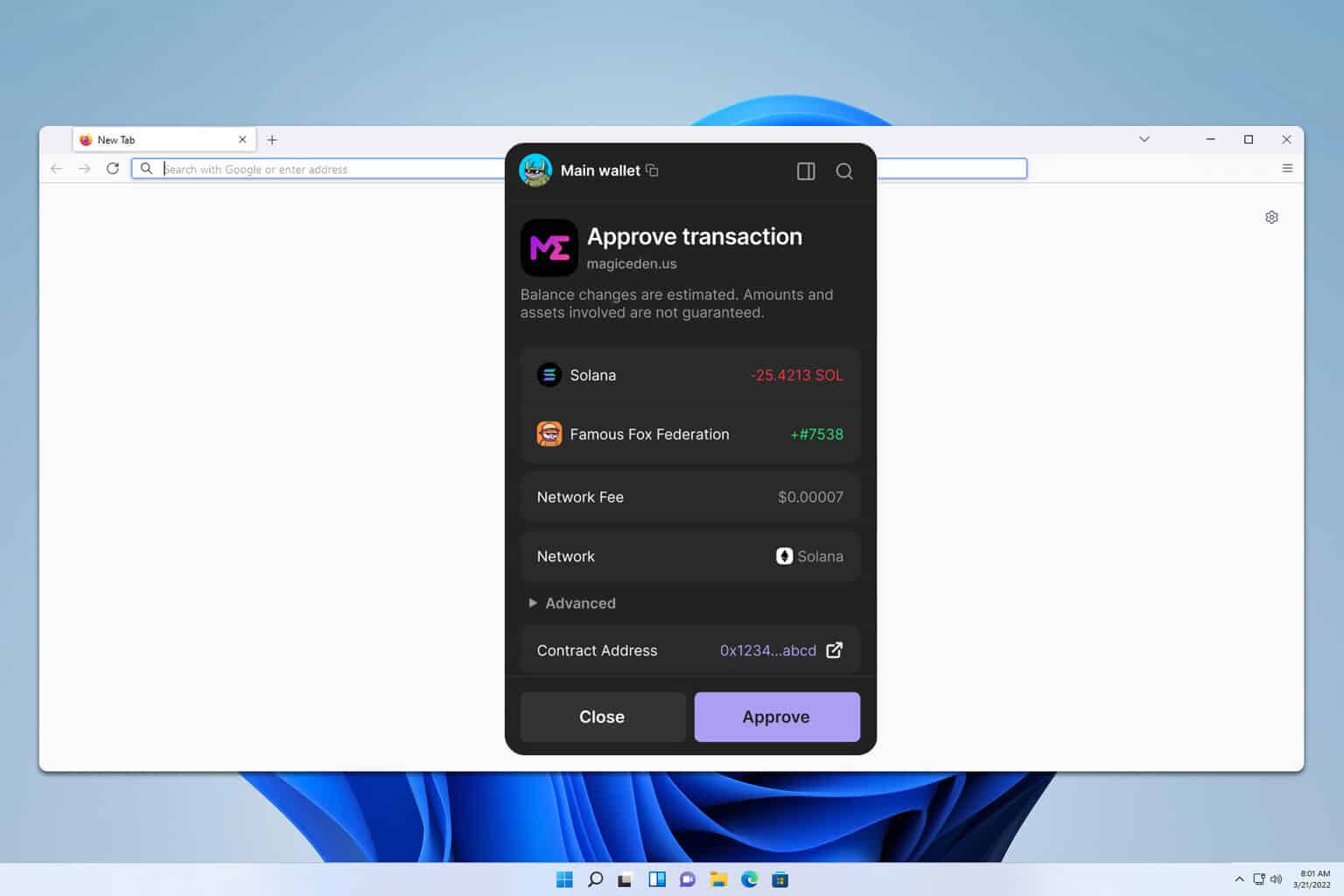
Practical checklist before you click “Approve”
Wow!
1) Confirm the URL and dApp identity. 2) Verify the exact tokens and amounts. 3) Check the destination address. 4) Make sure you have spare SOL for fees. 5) Use burn wallets where possible for unknown projects. These five steps take 30 seconds and save hours later.
At times I do one extra step: open a new tab, search for the dApp’s official socials, and confirm the announcement matches what’s happening. Paranoid? Maybe. Effective? Definitely.
Common questions
Can I use Phantom on multiple browsers?
Yes. Each browser installation creates its own extension instance and key storage, so treat each one like a separate wallet. If you want the same wallet across browsers, restore the seed phrase on the new browser — but beware, that spreads your attack surface.
What happens if I lose my seed phrase?
If you lose it and you don’t have any other recovery method, you cannot recover your wallet. Seriously? Yes. No support portal can regenerate your private keys. That’s why backups are very very important — and boring, but important.


